
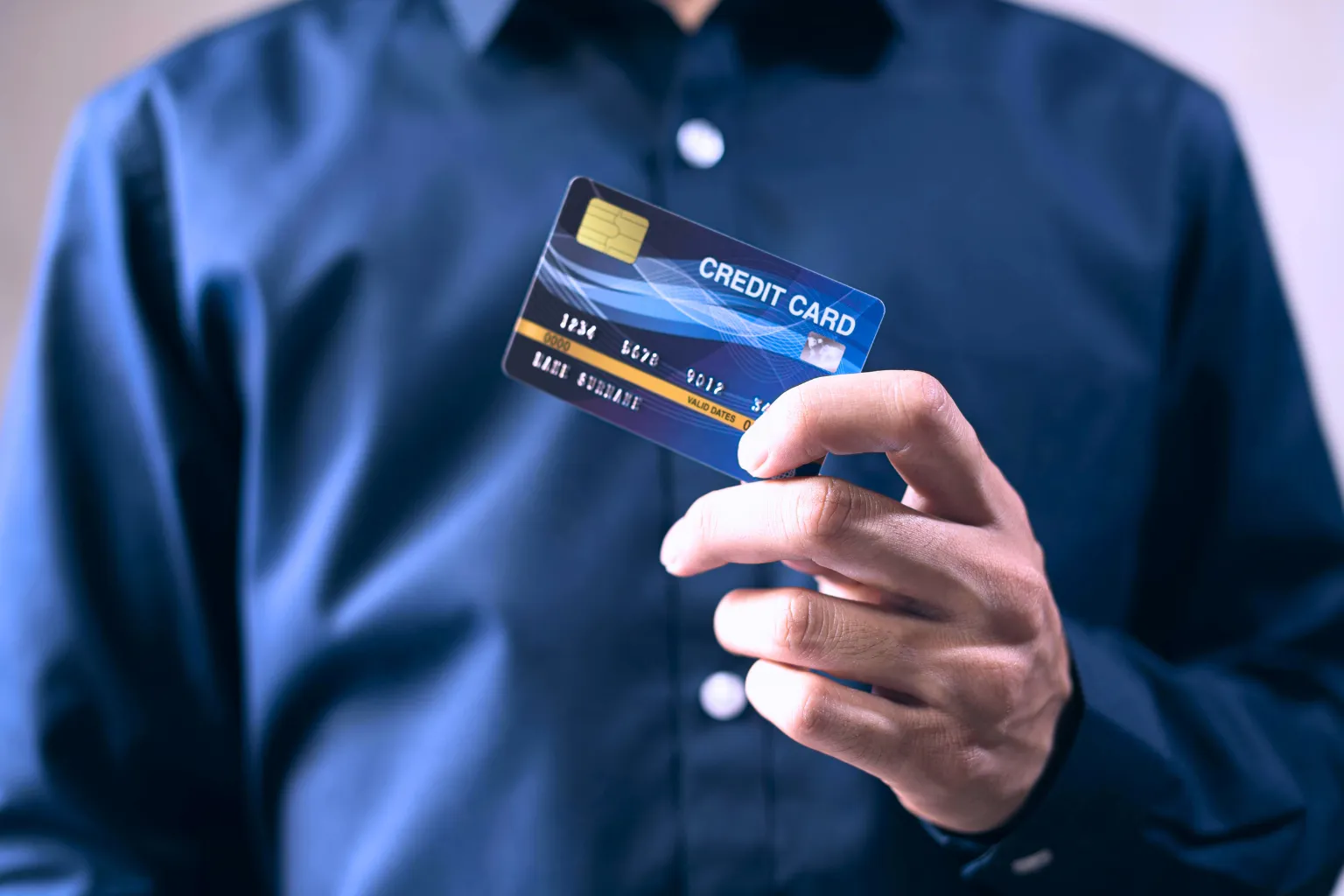
Smart Money: How to Choose the Best Credit Card in India (2026 Guide)
In an era where digital payments have overtaken cash, carrying the best credit card in india is no longer a luxury—it’s a strategic financial tool. For the residents of Punjab, from the bustling markets of Ludhiana to the tech hubs in Mohali, the right plastic in your wallet can mean the difference between leaving money on the table and flying to Canada on reward points.
But with banks tightening reward structures and devaluing lounge access in early 2026, the “best” card isn’t a one-size-fits-all answer. Whether you are looking for massive cashback on groceries or unlimited international lounge access for your next business trip, choosing wisely requires a data-driven approach.
What Is a Credit Card?
At its core, a credit card is a revolving line of credit that allows you to borrow funds up to a pre-approved limit for purchases. Unlike a debit card, which pulls directly from your savings, a credit card gives you a 45–50 day interest-free window to pay back the bank.
Example: If you buy a ₹50,000 iPhone using a card like the HDFC Pixel, you aren’t just delaying the payment; you are likely earning 5% cashback (₹2,500) and building your credit history—provided you pay the bill in full.
Why the Best Credit Card Matters for Financial Success
Choosing the best credit card in india is a cornerstone of modern wealth building. In 2026, credit cards are the primary drivers of your CIBIL score. A high score (above 780) unlocks lower interest rates on home loans and business credit, saving you lakhs over a lifetime.
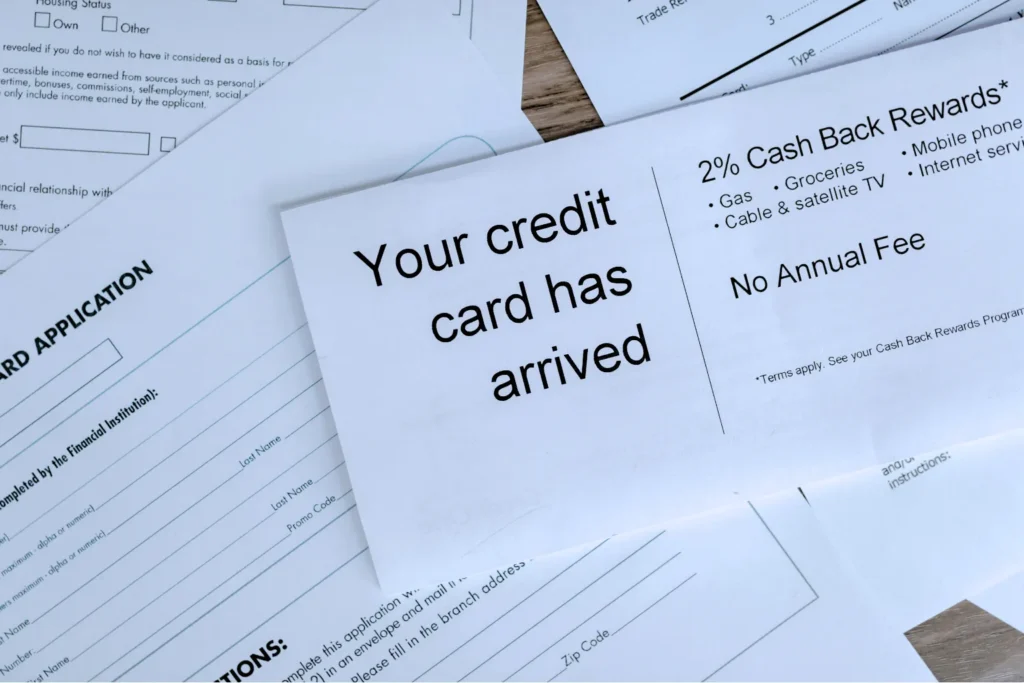
Beyond credit building, “reward hacking” has become a legitimate side hustle. Smart users in Punjab are now using UPI-linked RuPay cards to earn rewards even at local kirana stores, effectively getting a 1–2% discount on every single rupee spent.
7 Proven Strategies to Choose the Best Credit Card
1. Audit Your Spending Power
Before applying, look at where your money actually goes. Are you spending ₹20,000 a month on Zomato and Blinkit? Or is your biggest expense the diesel for your SUV? Cards like the Axis ACE are king for utility bills, while the SBI Cashback Card offers a flat 5% on almost all online spends. Don’t get a travel card if you only fly once a year.
2. Master the “Lounge Access” Math
Banks like ICICI and SBI have recently moved toward “spend-based” lounge access. You may need to spend ₹50,000 in the previous quarter to unlock that “free” airport meal. If you travel frequently from Amritsar or Chandigarh, look for premium cards like HDFC Infinia or Axis Magnus, which still offer more reliable, albeit expensive, entry.
3. Leverage the RuPay-UPI Revolution
In 2026, the RuPay credit card is a must-have. By linking it to your UPI app, you can earn reward points on small transactions where traditional Visa/Mastercard cards aren’t accepted. This is the easiest way to ensure every cup of tea or auto-rickshaw ride contributes to your next vacation.
4. Evaluate the “Net Value”
A card with a ₹5,000 annual fee isn’t necessarily “expensive” if it gives you ₹10,000 in vouchers. Always calculate:
If the result is negative, it’s the wrong card for you.
5. Check the Forex Markup
For the global Punjabi diaspora and frequent international travelers, a high forex markup (usually 3.5%) is a silent wealth killer. Look for cards with Zero Forex Markup like the AU Zenith or IDFC FIRST Wow to save significantly on international transactions.
6. Hunt for Welcome Bonuses
Many top-tier cards offer “joining gifts” that exceed the joining fee. For instance, the SBI Prime often provides gift vouchers worth ₹3,000 upon paying the ₹2,999 fee. You’re essentially getting the card’s features for free in the first year.

7. Monitor Devaluation Trends
The credit card landscape in 2026 is volatile. Keep an eye on “Notice of Change” emails. If a bank slashes your favorite reward category, don’t be afraid to close the account and move to a competitor. Loyalty to a bank rarely pays; loyalty to your wallet does.
Common Financial Mistakes to Avoid
The biggest trap is the “Minimum Amount Due” fallacy. Paying only the minimum triggers interest rates as high as 42% per annum. Another common error is using credit cards for cash withdrawals at ATMs—this incurs immediate interest and heavy fees from day one. Lastly, don’t apply for three cards in one month; each “hard inquiry” temporarily dips your credit score.
Practical Tips to Manage Your Money Better
- Set Autopay: Never miss a deadline.
- The 30% Rule: Keep your credit utilization below 30% of your total limit to keep your CIBIL score soaring.
- Check Statements: 2026 has seen a rise in “hidden” insurance charges on card statements; audit yours monthly.
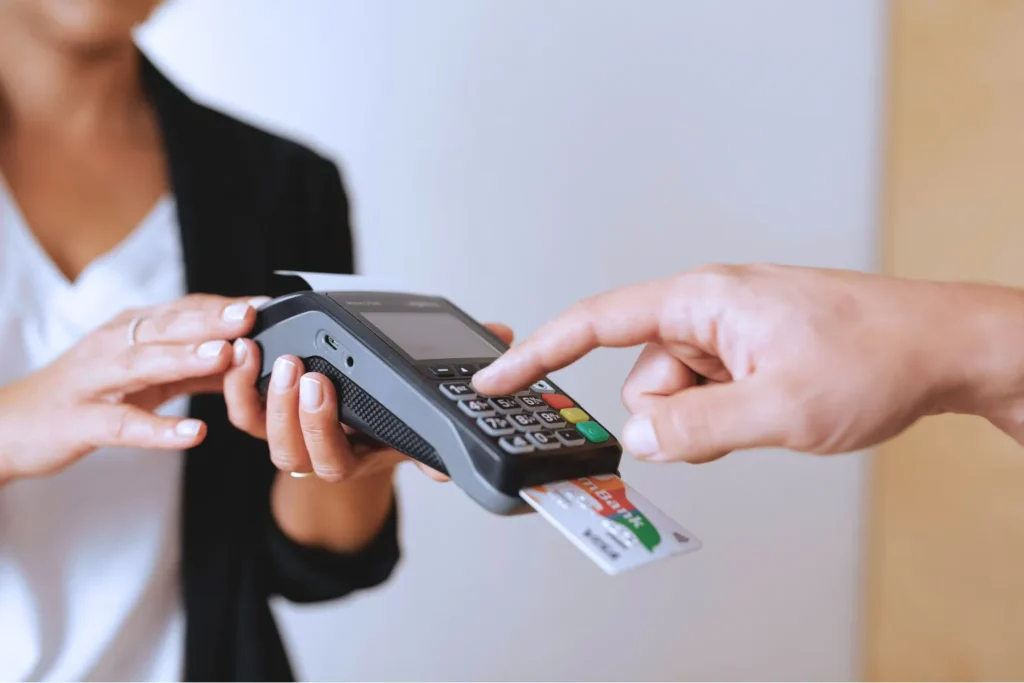
Simple Personal Finance Plan for Beginners
- Start Secured: If you have no credit history, get an FD-backed card (like IDFC Wow).
- Spend Small: Use it for one recurring bill (e.g., your mobile recharge).
- Pay in Full: Clear the balance every month for 6 months.
- Upgrade: Once your score hits 750+, apply for a cashback-heavy card like Amazon Pay ICICI.
Real-Life Case Study: The Ludhiana Entrepreneur
Meet Aman, a small business owner from Ludhiana. By switching his business utility payments and inventory purchases to a HDFC Regalia Gold, he accumulated enough “Reward Points” in 12 months to fund a round-trip family vacation to Dubai. By paying his bills 2 days before the due date, he never paid a paisa in interest while earning over ₹80,000 in travel value.
Final Thoughts, The best credit card in india for 2026 isn’t the one with the flashiest metal design; it’s the one that aligns with your specific lifestyle. Treat your credit card like a power tool—used correctly, it builds your future; used carelessly, it can be dangerous. Take 15 minutes today to audit your wallet and see if your current card is actually working for you.
Frequently Asked Questions (FAQs)
Which credit card is best for beginners in 2026?
For beginners, the Amazon Pay ICICI or IDFC FIRST Millennia are excellent. They typically have no annual fees and offer straightforward cashback. If you have no income proof, start with a “Secured” card backed by a Fixed Deposit to build your credit score safely.
How many credit cards should I ideally have?
Most financial experts recommend having 2 to 3 cards. This allows you to maximize different reward categories (e.g., one for travel, one for shopping) while keeping your credit utilization ratio low, which is healthy for your CIBIL score.
Is it safe to link my credit card to UPI?
Yes, provided it is a RuPay credit card. This is a secure, RBI-authorized feature. It allows you to make credit-based payments at any UPI QR code, offering the same encryption and security as traditional card swipes but with added convenience.
What is a good CIBIL score for a premium credit card?
To qualify for the best credit card in india with premium perks, you generally need a CIBIL score of 750 or higher. Banks look for a clean repayment history and a stable income-to-debt ratio before issuing high-limit cards.
Do reward points expire?
It depends on the bank. Most cards from HDFC and SBI have points that expire after 2–3 years. However, cards like IDFC FIRST offer reward points that never expire, making them ideal for “slow and steady” savers.